A home rarely fails all at once. Instead, problems develop quietly—small changes that seem harmless at first but slowly compromise safety, efficiency, and value. A faint water stain, a slight temperature imbalance, or a sticking door can be easy to dismiss, especially when daily life is busy. Yet these early warning signs are often the difference between a manageable repair and an expensive emergency.
Timely repair services play a critical role in protecting a home’s structure, systems, and livability. Acting early doesn’t just save money; it preserves the integrity of the home itself. Materials last longer, systems perform more efficiently, and homeowners avoid the stress of sudden failures. More importantly, proactive repairs reduce secondary damage—the kind that spreads invisibly behind walls, under floors, or inside ceilings.
Many homeowners approach repairs only when something stops working. Unfortunately, by the time a system fails completely, surrounding materials may already be compromised. Moisture, temperature fluctuations, and mechanical strain all leave lasting effects that are far more expensive to correct than to prevent. Shifting from reactive fixes to preventative care allows homeowners to maintain control over costs, timing, and long-term performance.
This guide explains where timing matters most, how to recognize early warning signs, and how coordinated repairs protect both comfort and investment. Rather than focusing on one-off fixes, the goal is to create a mindset of prevention—one that keeps the home resilient year after year.
Preventing Structural Damage From the Top Down
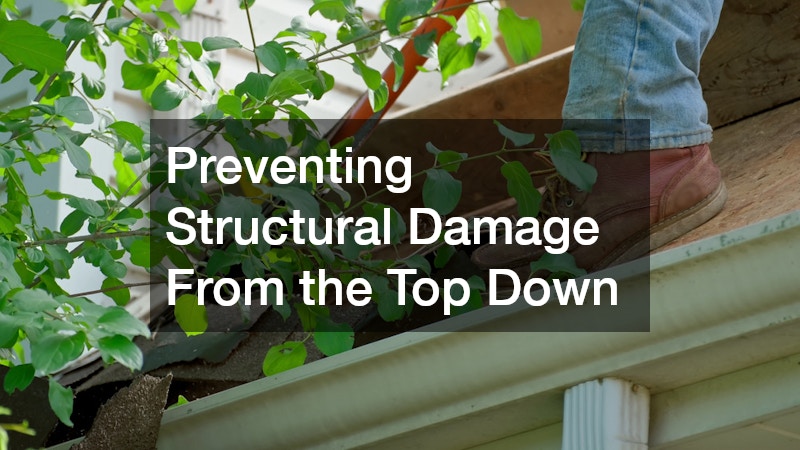
The exterior of a home acts as its first line of defense. When problems arise at the top or outer edges, they often work their way inward, affecting framing, insulation, and interior finishes long before visible damage appears.
One of the most overlooked causes of widespread interior damage is delayed roof repairs. Small issues—such as lifted shingles, worn flashing, or minor punctures—allow moisture to enter gradually. Over time, that moisture can:
- Saturate insulation and reduce its effectiveness
- Encourage mold growth in attics and wall cavities
- Weaken roof decking and structural supports
- Lead to ceiling stains and drywall failure
Because these problems often develop out of sight, homeowners may not realize the extent of damage until it becomes costly.
What homeowners can safely check on their own
While some inspections require professional expertise, there are several safe steps homeowners can take to identify early concerns:
- Look for uneven shingle lines or missing materials from the ground
- Check gutters for excessive granules or debris
- Inspect attic spaces for damp insulation or discoloration
- Watch for recurring leaks after rainstorms
These observations don’t replace professional assessment, but they help determine when action is needed.
Why professional assessment matters
A qualified roofing contractor can identify vulnerabilities that are easy to miss from ground level. Professional inspections often reveal issues with underlayment, ventilation, or flashing—areas that play a major role in preventing water intrusion. Addressing these problems early protects the entire building envelope, not just the roof itself.
Beyond visible damage, one of the biggest risks of delayed exterior maintenance is how quietly problems spread. Moisture doesn’t always drip or stain right away. Instead, it often seeps into materials that hold water long after a storm has passed. Wood framing can swell and contract repeatedly, weakening fasteners and joints over time. Insulation that becomes damp loses its thermal resistance, making the home harder to heat and cool while increasing energy costs.
Another overlooked factor is ventilation. When airflow is restricted or improperly balanced, trapped heat and moisture accelerate material breakdown. This is especially problematic in attic spaces, where temperature extremes can stress structural components year-round. Proactive attention allows homeowners to address these conditions before they affect interior spaces.
Documenting inspections and repairs is also valuable. Keeping records helps track patterns, identify recurring issues, and demonstrate responsible ownership. Over time, this approach transforms exterior care from a reactive task into a structured protection plan that safeguards the entire home.
Stopping Water Emergencies Before They Escalate
Water damage spreads quickly and often invisibly. What starts as a minor leak can soak framing, destroy flooring, and compromise electrical systems within hours. Fast action—and preparation before trouble strikes—can dramatically reduce both damage and stress.
Certain situations require immediate help from an emergency plumber, particularly when water flow cannot be controlled or when sewage is involved. Examples include:
- Burst or frozen pipes
- Overflowing toilets that won’t stop running
- Sudden loss of water pressure throughout the home
- Sewage backups or strong sewer odors
In these cases, every minute matters. Knowing who to call and what to do while waiting can significantly limit damage.
What homeowners should do while waiting for help
Before professional assistance arrives, homeowners can take steps to reduce harm:
- Shut off the main water supply if accessible
- Turn off electricity in affected areas if water is present
- Move valuables and furniture away from standing water
- Document damage for insurance purposes
These actions don’t solve the problem, but they help prevent secondary losses.
The value of preparation before an emergency
Establishing a relationship with a reliable local plumber before a crisis ensures faster response and better outcomes. Familiarity with the home’s layout and plumbing history allows for quicker diagnostics and fewer surprises. Preparation turns a chaotic emergency into a manageable event—and often prevents panic-driven decisions that lead to higher costs.
Water-related emergencies often create secondary damage that far exceeds the original issue. When moisture reaches flooring, drywall, or insulation, it can continue causing deterioration even after the visible problem is fixed. Materials may appear dry on the surface while remaining saturated underneath, leading to lingering odors, warping, and microbial growth weeks later.
Preparation reduces these risks significantly. Homeowners benefit from knowing where access panels, shutoff valves, and cleanouts are located before stress levels are high. Practicing these steps in advance ensures a quicker response during an actual emergency.
It’s also important to understand insurance implications. Many policies require prompt action to minimize damage. Delays—even unintentional ones—can affect coverage decisions. Taking photos, keeping receipts, and maintaining service records strengthens documentation if a claim becomes necessary.
Ultimately, readiness turns emergencies into controlled situations. When homeowners respond decisively, they limit damage, reduce repair timelines, and regain normalcy faster.
Maintaining Everyday Systems That Prevent Long-Term Damage
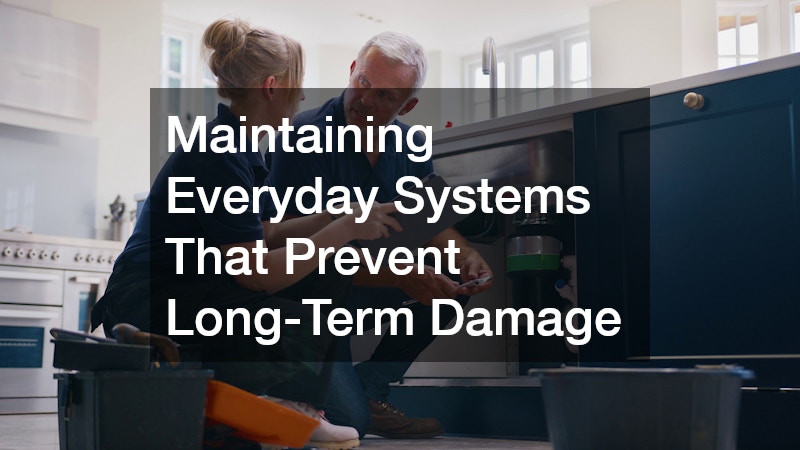
Not all threats come from dramatic failures. Many of the most expensive repairs stem from neglected routine maintenance—small issues that slowly wear down materials and systems over time.
Regular plumbing services play a key role in protecting walls, floors, and foundations. Slow drains, fluctuating water pressure, and minor fixture leaks may seem inconvenient rather than urgent, but left unchecked, they can:
- Weaken cabinetry and subflooring
- Promote mold growth behind walls
- Increase water bills and system strain
- Lead to unexpected pipe failures
Routine inspections catch these problems early, often resolving them with simple adjustments or minor component replacements.
Entry points matter more than most homeowners realize
Doors are another area where gradual wear can lead to bigger consequences. Misalignment, deteriorating seals, or damaged frames allow air, moisture, and pests to enter the home. Over time, these gaps can:
- Increase heating and cooling costs
- Allow moisture into wall assemblies
- Compromise security and safety
Timely door repair restores proper fit and function, preventing a chain reaction of energy loss and material degradation.
Slow, unnoticed wear is one of the most common reasons homes require extensive repairs later. Materials are designed to handle normal use, but only when supporting systems are functioning properly. Minor moisture exposure behind walls or under sinks can weaken fasteners, soften wood fibers, and stain surrounding materials long before leaks become obvious.
Routine attention also improves predictability. When systems are maintained consistently, homeowners can anticipate when components will need replacement instead of being caught off guard. This allows repairs to be scheduled during convenient times, often at a lower cost.
Another advantage of ongoing maintenance is safety. Secure doors, functioning fixtures, and stable fittings reduce the risk of injury, particularly for children and older occupants. Seemingly small repairs often contribute to a safer living environment overall.
By addressing everyday issues promptly, homeowners preserve finishes, protect structural elements, and maintain the reliability of systems that are easy to overlook—but costly to ignore.
Preserving Comfort Systems That Protect the Home Interior

Heating and cooling systems do more than regulate temperature. They control humidity, influence air quality, and protect materials throughout the home. When these systems falter, the effects reach far beyond comfort.
Delaying HVAC repair can lead to moisture imbalances that damage flooring, drywall, and furnishings. Poor airflow or inconsistent operation often results in:
- Condensation on windows and walls
- Increased dust and allergens
- Uneven temperatures that stress materials
- Higher energy consumption
These issues tend to worsen gradually, making them easy to ignore until significant damage occurs.
Warning signs homeowners shouldn’t overlook
Early indicators that a system needs attention include:
- Unusual noises during operation
- Rooms that never reach the desired temperature
- Sudden spikes in utility bills
- Short cycling or frequent restarts
Addressing these symptoms promptly protects both the system and the surrounding structure.
Indoor comfort systems influence how a home ages. When airflow is unbalanced or humidity is poorly controlled, materials expand, contract, and degrade more quickly. Hardwood floors may cup or gap, paint may peel, and adhesives can fail prematurely. These issues are often blamed on age when the real cause is inconsistent environmental control.
Proactive care also supports healthier living conditions. Properly functioning systems help manage allergens, reduce dust accumulation, and maintain consistent indoor air quality. This is especially important for households with respiratory sensitivities or pets.
Another often-overlooked benefit is system longevity. Equipment that operates within normal ranges experiences less mechanical stress, reducing wear on motors, belts, and electrical components. This translates to fewer breakdowns and longer service life.
Working with a local HVAC service adds further protection by ensuring the system is maintained according to regional climate demands. When homeowners view comfort systems as protective infrastructure—not just temperature regulators—they are more likely to prioritize timely service and avoid compounding damage throughout the home.
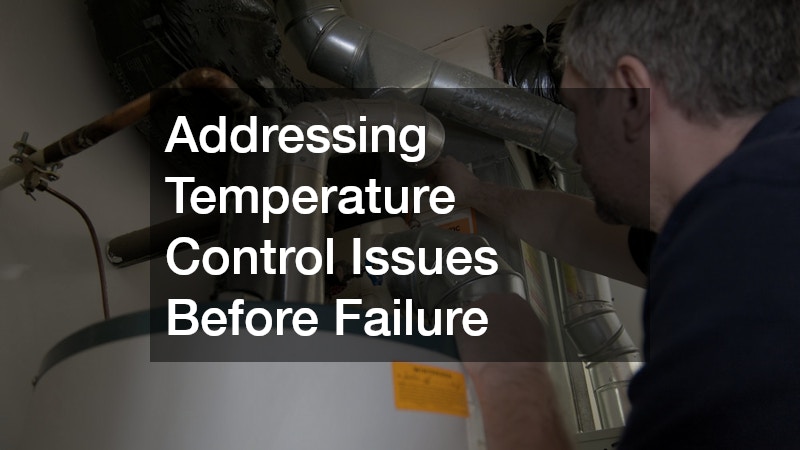
Addressing Temperature Control Issues Before Failure
Heating and cooling systems often show signs of decline long before they stop working altogether. Acting during this early phase prevents emergency breakdowns and extends system lifespan.
For cooling systems, declining performance may show up as:
- Reduced airflow from vents
- Inconsistent cooling between rooms
- Systems running longer than usual
- Warm air during peak demand
Prompt AC repair restores efficiency and prevents added strain that can lead to compressor or motor failure.
Heating system risks during colder months
Heating systems carry additional safety considerations. Ignoring early signs of trouble increases the risk of complete failure during extreme weather. Common warning signs include:
- Difficulty maintaining set temperatures
- Frequent cycling or delayed ignition
- Rising energy costs without increased usage
- Dry indoor air or unusual odors
Timely furnace repair not only improves comfort but also reduces the risk of frozen pipes, structural stress from temperature fluctuations, and emergency service calls during peak demand.
System decline is rarely sudden. Most failures are preceded by months of subtle inefficiencies that go unaddressed. During this period, equipment works harder to achieve the same results, increasing wear and energy consumption. Homeowners often notice rising utility costs before recognizing performance issues.
Early repairs also offer more options. When problems are identified before total failure, repairs tend to be simpler and less invasive. Parts are more readily available, scheduling is flexible, and homeowners avoid rushed decisions made under pressure.
Another benefit is reduced disruption. Addressing issues during mild weather prevents emergency situations during extreme temperatures, when system failure can make a home uncomfortable or even unsafe. Planned service minimizes downtime and protects vulnerable household members.
By responding to early warning signs, homeowners maintain control over costs, comfort, and timing—turning system care into a strategic investment rather than a reactive expense.
Protecting a home isn’t about reacting to disasters—it’s about recognizing how small problems grow when time is ignored. Every system in a home is connected. A minor leak can weaken structural elements, a neglected comfort system can damage interior materials, and a misaligned entry point can invite moisture and energy loss.
Timely repair services protect more than individual components; they preserve the balance that allows a home to function safely and efficiently. Acting early reduces costs, extends the life of major systems, and prevents the kind of hidden damage that erodes value over time.
Proactive homeowners gain peace of mind by staying ahead of issues instead of being surprised by them. With thoughtful planning, regular inspections, and prompt attention to warning signs, repairs become predictable rather than disruptive. This approach also allows homeowners to budget more effectively, prioritize improvements strategically, and avoid the emotional strain that often accompanies sudden failures.
In the long run, protecting a home is less about fixing what’s broken and more about caring for what still works. When maintenance and repair decisions are made with timing in mind, a home remains not just livable, but resilient—capable of supporting the people inside it for years to come.