
Owning a home provides comfort, stability, and a sense of accomplishment, but it also comes with ongoing responsibilities. Every house contains numerous systems that work together to create a safe and functional living environment. Plumbing, electrical systems, structural components, climate control equipment, and appliances all require periodic maintenance and occasional repair. When these systems operate properly, most homeowners rarely think about them. However, once something breaks or stops working as expected, it can quickly disrupt daily routines.
Over time, normal wear and tear can affect even the most well-maintained homes. Pipes accumulate debris, mechanical parts begin to age, and environmental conditions like moisture, temperature changes, and pests can gradually impact structural materials. What begins as a small inconvenience—such as a slow drain, inconsistent cooling, or a strange noise from a household system—can evolve into a much larger problem if it is ignored.
However, more complex problems often require professional knowledge and specialized tools. Trained technicians understand how various home systems operate and can identify the root cause of a problem rather than just addressing surface-level symptoms. Understanding the most common household problems and how professionals address them can make it easier for homeowners to recognize early warning signs. When issues are addressed quickly, repairs are often simpler, less expensive, and far less disruptive.
Persistent Drain Clogs and Slow Water Flow
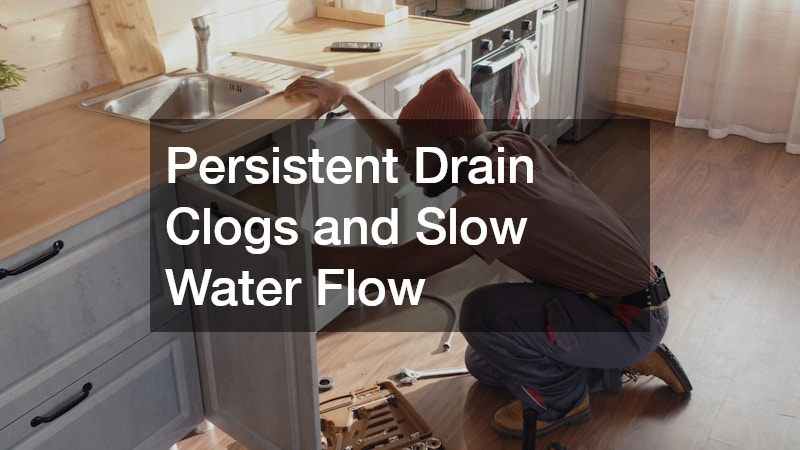
Drainage problems are among the most frequent plumbing concerns homeowners face. A sink that drains slowly or a shower that leaves standing water may seem like a minor inconvenience at first, but these issues often signal deeper problems within the plumbing system.
Several factors commonly contribute to blocked or restricted drains:
-
Hair accumulation in bathroom sinks and showers
-
Grease and food particles in the kitchen sinks
-
Soap residue and mineral deposits inside pipes
-
Foreign objects that accidentally fall into drains
-
Tree roots are invading underground plumbing lines
Many homeowners initially attempt to clear blockages using plungers or chemical cleaners. While these solutions may temporarily restore flow, they often fail to address the underlying buildup inside the pipes. Chemical solutions can also cause damage to older plumbing materials if used repeatedly.
A professional clogged drain cleaning service uses specialized equipment designed to safely remove stubborn obstructions. These professionals often rely on tools such as motorized augers and high-pressure hydro-jetting equipment to break apart debris and flush it from the pipes.
In addition to removing blockages, technicians often perform camera inspections to examine the inside of pipes. This technology allows them to identify cracks, root intrusions, or other structural issues that may contribute to recurring clogs.
If damage is discovered during the inspection, technicians may recommend targeted plumbing repair to restore the integrity of the system. Addressing both the blockage and the underlying cause helps prevent the same problem from returning.
Air Conditioning Failures and Cooling Inefficiency
Air conditioning systems are essential for maintaining indoor comfort during warm seasons. When a cooling system begins to malfunction, homeowners often notice the effects quickly. Rooms may feel warmer than usual, airflow may weaken, or the system may stop working altogether.
Common indicators that a cooling system requires attention include:
-
Warm air blowing from vents
-
Inconsistent cooling throughout the house
-
Frequent cycling on and off
-
Unusual noises coming from the unit
-
Sudden increases in energy bills
Air conditioning systems rely on a combination of electrical components, refrigerant lines, and mechanical parts. If any of these components fail, the entire system can lose efficiency or stop functioning completely.
Professionals who specialize in local ac repair typically begin with a comprehensive diagnostic inspection. This process allows them to determine the exact cause of the malfunction before beginning repairs.
During a typical inspection, technicians may:
-
Check refrigerant levels and pressure
-
Inspect evaporator and condenser coils
-
Test electrical connections and capacitors
-
Evaluate thermostat accuracy
-
Examine airflow and duct performance
Once the issue has been identified, technicians repair or replace the necessary components to restore the system’s performance. In many cases, routine maintenance and timely repairs can significantly extend the life of an air conditioning system.
Garage Door Breakdowns and Mechanical Wear
Garage doors are used multiple times each day in many households. Because they are heavy and operate through a system of springs, tracks, cables, and motors, they eventually experience wear and tear.
When a garage door begins to malfunction, homeowners may notice several warning signs:
-
The door moves unevenly or becomes stuck
-
Loud grinding or squeaking noises during operation
-
The door reverses unexpectedly while closing
-
The remote control stops responding
-
Visible damage to springs or cables
Garage door systems operate under significant tension, particularly within the springs that assist with lifting the door. Attempting to repair these components without proper training can be dangerous.
A professional garage door repair company has the specialized tools and safety equipment needed to address these problems safely. During a service appointment, technicians perform a thorough inspection of the entire door system.
Typical repair procedures may include:
-
Replacing broken torsion or extension springs
-
Adjusting cable tension
-
Realigning tracks for smoother movement
-
Lubricating moving components
-
Testing automatic opener systems and safety sensors
Professional garage door repair ensures that the door operates smoothly and safely. Regular maintenance visits can also help identify worn parts before they fail completely, reducing the risk of sudden breakdowns.
Appliance Failures That Disrupt Daily Life
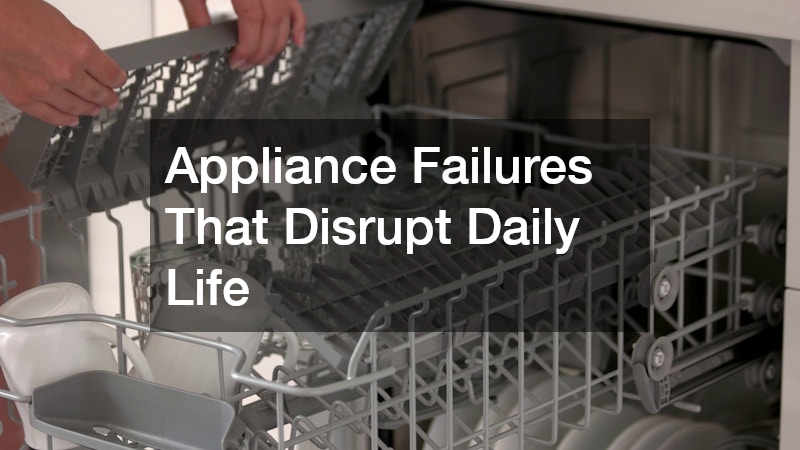
Household appliances make everyday routines easier and more efficient. When these machines stop working properly, tasks such as cooking, cleaning, and laundry can quickly become more difficult.
Some of the most common appliance issues homeowners encounter include:
-
Refrigerators that fail to maintain safe temperatures
-
Washing machines that leak or stop spinning
-
Ovens that heat unevenly
-
Dishwashers leaving residue on dishes
-
Dryers producing little heat or taking too long to dry clothes
While many appliances appear simple on the outside, their internal systems can be quite complex. Modern appliances often include electronic control boards, sensors, motors, and heating elements that must work together precisely.
Professional appliance repair services involve a detailed diagnostic process. Technicians test individual components to determine whether a malfunction stems from electrical failure, mechanical wear, or a faulty sensor.
Experienced appliance repair companies also have access to manufacturer-approved replacement parts. Using the correct components helps ensure the appliance operates safely and efficiently after repairs are completed.
Repairing appliances rather than replacing them immediately can save homeowners significant money while extending the usable life of the equipment.
Pool Equipment Problems and Circulation Issues
Swimming pools require several mechanical systems to operate properly. Pumps circulate water, filters remove debris, heaters regulate temperature, and chemical systems maintain water quality.
When any of these components fail, pool conditions can deteriorate quickly. Water may become cloudy, algae may begin to grow, or circulation may stop entirely.
Homeowners commonly notice pool issues such as:
-
Weak or nonexistent water circulation
-
Unusual noises from the pump motor
-
Filters that clog frequently
-
Pool heaters that fail to warm the water
-
Water levels are dropping unexpectedly
Professional pool repair companies specialize in diagnosing and repairing these complex systems. Because pools involve both plumbing and electrical components, professional service helps ensure repairs are completed safely.
Technicians typically perform several diagnostic steps, including:
-
Testing pump motors and circulation systems
-
Inspecting filtration equipment for clogs or damage
-
Checking plumbing lines for leaks
-
Evaluating electrical connections for heaters and lighting
-
Measuring water flow and pressure levels
After identifying the problem, technicians repair or replace malfunctioning parts and verify that the system operates correctly before finishing the job.
Routine maintenance and inspections can help prevent many pool-related issues from occurring in the first place.
Heating System Failures During Cold Seasons
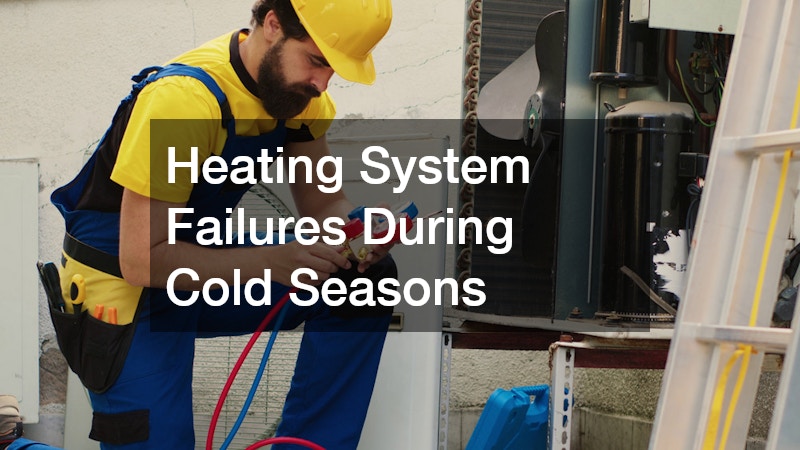
Heating systems are essential for maintaining comfort when temperatures drop. Whether a home uses a furnace, heat pump, or boiler system, reliable heating equipment is critical during colder months.
Several warning signs may indicate that a heating system requires professional attention:
-
Uneven heating throughout the home
-
Strange odors when the system runs
-
Loud or unusual sounds from the furnace
-
Poor airflow from vents
-
Unexpected increases in heating costs
These problems can result from worn mechanical parts, airflow restrictions, ignition failures, or thermostat malfunctions.
Professionals performing heating repairs begin with a detailed system evaluation. Their goal is to determine the exact source of the problem and restore the system’s efficiency.
Inspection steps often include:
-
Checking burners and ignition components
-
Testing blower motors and fans
-
Evaluating thermostat performance
-
Inspecting ventilation pathways for blockages
-
Measuring airflow throughout the home
By addressing these issues early, technicians can often prevent larger and more expensive system failures later.
Hidden Structural Risks from Wood-Destroying Pests
Some of the most serious home problems occur out of sight. Wood-destroying pests can cause significant structural damage if they are allowed to remain undetected for long periods.
These pests feed on wood and other cellulose materials found throughout a home’s structure. Over time, their activity can weaken support beams, flooring, and wall framing.
Early warning signs may include:
-
Hollow-sounding wood surfaces
-
Small holes or tunnels in wooden materials
-
Piles of discarded wings near windows or doors
-
Mud tubes along foundation walls
-
Doors or windows that suddenly become difficult to open
Because infestations often begin in hidden areas, professional inspections are essential for early detection.
A thorough termite inspection allows trained specialists to evaluate the home for signs of pest activity. During this process, inspectors carefully examine structural components both inside and outside the house.
Inspection procedures may include:
-
Examining crawl spaces and basements
-
Checking foundation walls and support beams
-
Identifying moisture conditions that attract pests
-
Looking for visible signs of infestation or damage
Early detection allows homeowners to address infestations before significant structural damage occurs.
The Benefits of Professional Repair and Maintenance
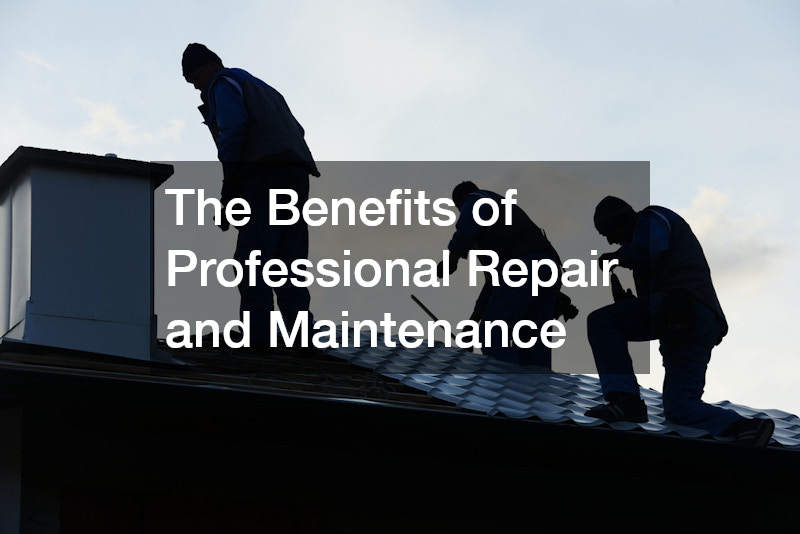
While some minor household tasks can be handled independently, many home systems require specialized knowledge to repair correctly. Attempting complicated repairs without the right tools or training can lead to additional damage or safety risks.
Professional technicians provide several important advantages when addressing home issues:
-
Accurate diagnostics that identify the root cause of problems
-
Specialized equipment designed for complex repairs
-
Experience with a wide range of home systems
-
Access to quality replacement components
-
Knowledge of safety standards and best practices
In many cases, professional repairs also include recommendations for preventive maintenance that help homeowners avoid similar problems in the future.
Practical Ways Homeowners Can Prevent Major Issues
Although repairs are sometimes unavoidable, preventive maintenance can significantly reduce the likelihood of serious problems. Simple routines performed throughout the year can help homeowners protect their property and keep systems operating efficiently.
Helpful preventive measures include:
-
Inspecting plumbing fixtures for leaks or slow drainage
-
Cleaning air filters regularly to maintain airflow
-
Scheduling seasonal HVAC inspections
-
Monitoring appliance performance for unusual behavior
-
Keeping outdoor equipment clean and well-maintained
-
Addressing small problems before they escalate
By staying attentive to early warning signs and maintaining household systems regularly, homeowners can reduce unexpected repair costs and maintain a comfortable living environment.
Maintaining a home involves far more than occasional cleaning or cosmetic improvements. Behind the walls and beneath the floors, numerous systems work together to keep a house safe, comfortable, and functional. When one of these systems fails, the effects can quickly disrupt daily routines and create unnecessary stress for homeowners.
The most common home issues—whether mechanical, structural, or environmental—often begin as relatively small problems. A minor leak, a noisy appliance, or inconsistent heating may not seem urgent at first, but these early warning signs should not be ignored. Addressing problems early can prevent additional damage and help homeowners avoid more expensive repairs in the future. Professional technicians play an important role in maintaining the reliability of a home. Their training allows them to identify hidden causes, use specialized tools, and perform repairs that restore systems to proper working order. In many cases, they can also offer valuable advice on maintenance practices that help prevent the same issue from returning.
Regular inspections, routine upkeep, and professional support when needed can significantly extend the life of household systems. Ultimately, a proactive approach to home care benefits both the homeowner and the property itself. By understanding common household challenges and relying on skilled professionals when necessary, homeowners can ensure their homes remain safe, efficient, and welcoming for years to come.
