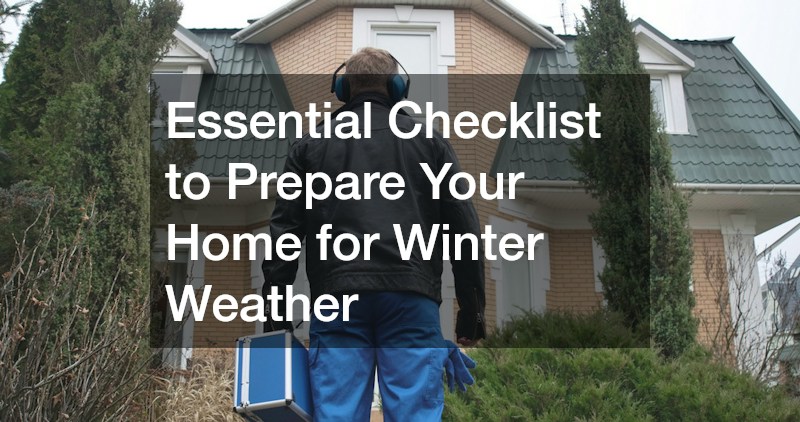
Every home experiences a subtle, continuous tug-of-war with the environment. Throughout the year, shifting temperatures, fluctuating humidity, heavy rainfall, and biting winds test the limits of every structural and mechanical component on your property. What begins as a minor seal failure around a window frame or a slightly clogged drain line can quietly compound over a few months, ultimately leading to thousands of dollars in water damage, energy loss, or unexpected equipment breakdowns.
Many homeowners treat home maintenance as a reactive chore, reaching for tools or calling a professional only after something visibly breaks or leaks. However, treating property care as a predictable, seasonal ritual fundamentally alters that dynamic. By establishing a routine that addresses your home’s exterior shell, internal systems, and surrounding grounds before severe weather strikes, you protect your living space, lower monthly utility bills, and preserve your property’s long-term resale value. The following practical guide walks through the essential steps needed to fortify your residence against seasonal extremes.
Fortifying the Outer Shell Against Rain, Wind, and Debris
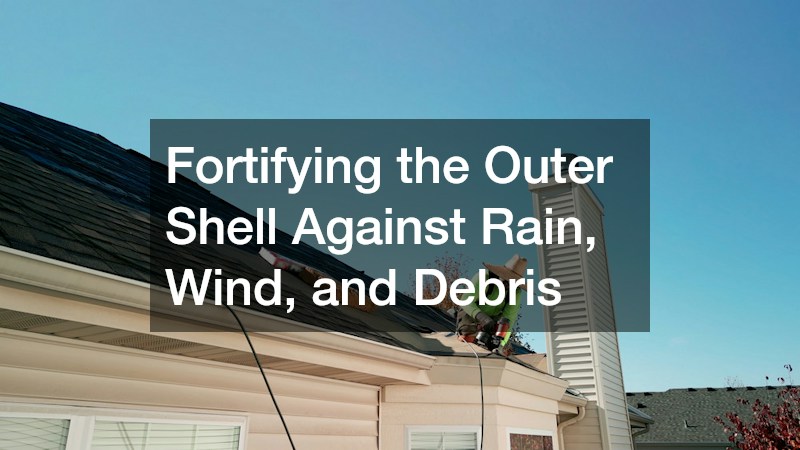
The roof and drainage assembly serve as your home’s first line of defense against atmospheric severe weather. When autumn drops leaves across your property or early spring brings heavy downpours, a compromised outer shell will quickly allow water to infiltrate where it causes the most damage—inside the ceiling framing and attic insulation.
A thorough exterior inspection should always begin with the drainage path. Gutters choked with leaves, twigs, and gravel shed from aging shingles force water to back up under the roof edge. During freezing weather, this standing water freezes into thick ice dams that expand beneath shingles, lifting them up and allowing meltwater to stream directly into interior walls. Clearing these troughs twice a year—once in late autumn and again in late spring—ensures that water travels safely through downspouts and discharges at least four feet away from your home’s foundation.
While examining the roofline, look closely at the condition of the roofing material itself. Missing, curled, or buckling shingles leave the underlying underlayment exposed to direct rainfall and wind uplift. Pay special attention to the flashing around chimneys, plumbing vents, and skylights, as the sealant in these high-stress areas naturally degrades over time. While minor fixes like replacing a few loose shingles can be handled safely from a secured ladder, widespread wear or complex flashing repairs demand trained hands. If you spot severe shingle loss, significant sag along the ridgeline, or attic water staining, consulting a licensed roofing company ensures major structural leaks are caught and remediated before heavy seasonal storms arrive.
Beyond the roof itself, overhanging trees present a constant risk to the home’s shell. High winds during summer thunderstorms or heavy snow accumulation in winter can snap large, dead branches, sending them crashing through shingles or pulling down power lines. Trimming back limbs so they maintain a five-to-ten-foot clearance from the roof deck prevents mechanical damage to shingles and deters tree-dwelling pests like squirrels and raccoons from finding an easy pathway into your attic. Gathering baseline photodocumentation of your roof deck every year provides clear records for insurance claims if sudden hail or microburst storms cause storm damage.
Securing Foundational and Interior Wall Integrity

A home’s foundation and load-bearing walls endure intense stress as the earth around them reacts to seasonal moisture shifts. During wet seasons, soil expands as it absorbs water; during dry summer months, that same soil shrinks and pulls away from concrete footers. This continuous expansion and contraction exerts immense hydrostatic pressure against foundation walls, occasionally leading to structural movement that manifests throughout the rest of the house.
To safeguard your foundation and interior surfaces, follow these targeted steps during seasonal transitions:
- Walk the exterior perimeter to evaluate soil grading. Ensure the ground slopes away from your foundation walls at a pitch of at least six inches over the first ten feet. This prevents groundwater from pooling against concrete walls where it can seep through porous material or widen existing hairpins.
- Inspect interior doorways and window frames for sticking. When interior doors suddenly refuse to latch properly or diagonal cracks open up above door frames, it often signals that the underlying floor structure has shifted due to ground settlement or soil expansion beneath the footers.
- Seal interior gaps and hairline wall cracks promptly. Before seasonal humidity shifts cause paint cracking and drywall deterioration, fill small surface fractures with high-quality interior spackling compound, sand it smooth, and touch up with primer to prevent air and moisture from compromising the wall cavity.
When seasonal soil expanding and shrinking creates major floor sloping or severe structural settling, calling a reputable house leveling company fixes underlying foundation settling before it ruins interior finishes. Trying to patch over massive structural shifts with cosmetic materials only masks ongoing damage. Once structural movement is stabilized and footers are safely supported, hiring a local drywall repair service will restore cracked interior walls and restore a seamless finish throughout your living spaces.
Optimizing Climate Controls for Heating and Cooling Efficiency
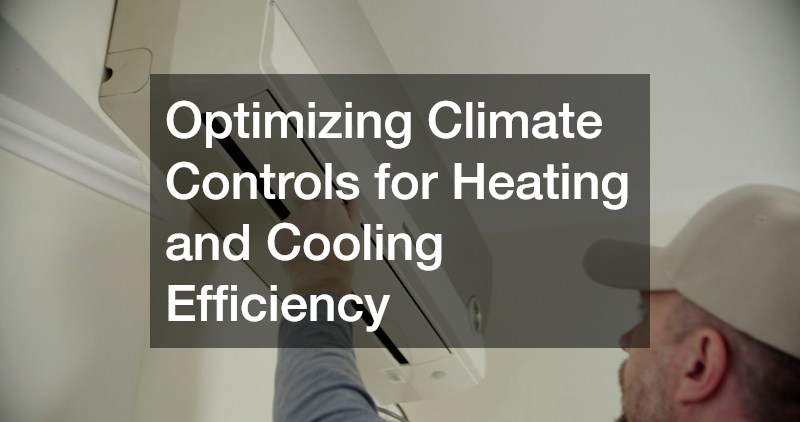
HVAC systems endure the heaviest workload of any mechanical installation in a modern house. As summer heat waves roll in or winter freezes settle across the region, your furnace and cooling units operate almost continuously to maintain a stable interior temperature. Without regular maintenance, these systems lose efficiency rapidly, driving up electric and gas bills while dramatically increasing the risk of a total operational failure during peak demand.
Think back to the last time extreme temperatures hit your neighborhood. Nothing causes immediate household distress quite like an air conditioner failing during a 95-degree afternoon or a furnace quitting on a sub-zero night. Routine care keeps system components operating within their intended manufacturer specifications, reducing friction, preventing mechanical overheating, and extending the operational lifespan of expensive machinery.
Preseason testing of your entire HVAC system prevents mid-winter furnace failures and peak-summer cooling outages. Before you need to rely on heating or cooling daily, switch your system over to the target mode and let it run through a full cycle. Listen for unusual noises, such as squealing belts or rattling blower assemblies, and verify that air flowing from registers matches the desired setpoint temperature.
Part of this process involves routine component care. Scheduling spring ac maintenance clears out dust buildup on coils, improves cooling performance, and catches failing capacitors early before they leave you without cold air during peak heat waves. Additionally, replacing air filters every 30 to 90 days remains the single most effective task a homeowner can perform. Clogged filters restrict airflow, forcing blowers to work significantly harder, which causes system coils to freeze up in summer and heat exchangers to overheat in winter. Keep a clear two-foot clearance around outdoor condensing units by trimming back encroaching weeds, brush, and fallen leaves to allow efficient heat dispersion.
Evaluating Equipment Lifespans to Avoid Mid-Season Failures
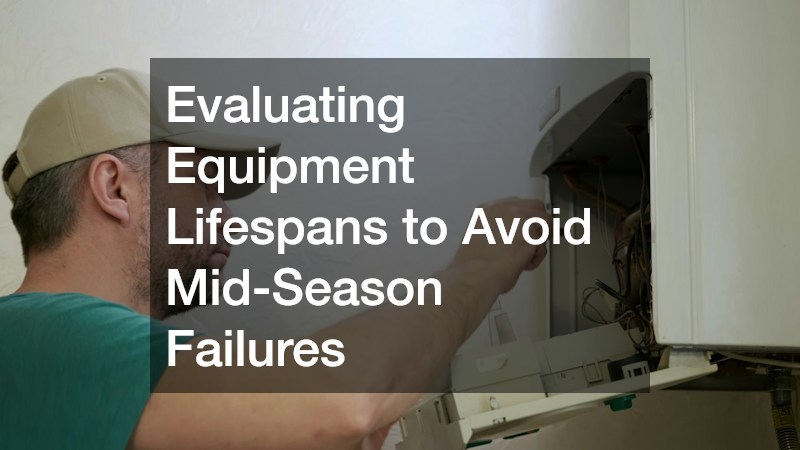
Even with meticulous seasonal servicing, mechanical equipment eventually reaches the end of its functional life. Understanding where your equipment stands in its expected lifespan enables you to budget for replacement proactively, rather than facing an emergency installation during an extreme weather event when technicians are stretched thin.
- System Age: Standard cooling units typically last between 10 and 15 years, while well-maintained furnaces can operate for 15 to 20 years. If your unit is approaching its second decade, start planning for its retirement.
- Escalating Operating Costs: Pay close attention to utility trends. A sudden spike in monthly electricity or gas usage without a corresponding change in climate usually indicates that internal compressors or burners are losing mechanical efficiency.
- Frequency of Repairs: When minor component failures occur multiple times within a single season, the cumulative cost of temporary fixes quickly approaches the price of modern high-efficiency hardware.
- Refrigerant Type: Older cooling systems running on outdated refrigerants are increasingly expensive to service due to supply caps and environmental phase-outs, making routine recharges economically unviable.
If your unit relies on outdated refrigerant or requires frequent costly recharges, investing in a complete ac replacement before summer saves money on monthly utility bills and prevents mid-season cooling losses. Upgrading to high-SEER modern units delivers significantly better temperature and humidity control while providing peace of mind during seasonal heatwaves. Modern variable-speed options also maintain precise indoor humidity levels, protecting internal structural materials during sweltering summers.
Safeguarding Entryways and Interior Woodwork
Your home’s entry points and interior millwork are sensitive to seasonal changes in atmospheric moisture and temperature. High humidity during late summer causes wood fibers to swell, making doors bind against their jams and drawers stick in their tracks. Conversely, dry winter air pulls moisture out of interior woodwork, causing trim joints to pull apart and cabinet doors to shrink.
Managing these environmental shifts requires a balance of mechanical sealing and internal environmental control. Drafty doors and windows allow conditioned air to escape while admitting humid outside air or frigid drafts. Inspecting the flexible weather stripping along exterior door frames each autumn ensures a tight thermal seal. Applying fresh silicone caulk around exterior window casings prevents wind-driven rain from penetrating the wall envelope.
Interior wooden features require consistent ambient relative humidity—ideally between 30% and 50%—to stay structurally stable throughout the year. Controlling indoor humidity protects high-end investments like custom cabinets from warping or joint separation during muggy summers. Running dedicated dehumidifiers in basements or whole-home systems during damp months prevents solid wood doors and face frames from absorbing atmospheric moisture.
Garage entryways require special attention as well. The garage door represents the largest single moving barrier on your property, and its components face constant mechanical stress. Cold temperatures pull tension out of operating springs and harden lubricant on tracks, which can lead to jerky operation or track derailment. Cold temperatures put heavy stress on torsion springs, making timely garage door repair essential to prevent sudden track misalignment and ensure smooth, reliable everyday access.
Winterizing and Prepping Outdoor Living Spaces
Extending home maintenance routines to the yard and outdoor structures ensures that exterior amenities survive seasonal dormancy intact. Outdoor plumbing lines, water features, and screened living spaces are particularly vulnerable to sudden freezes and high wind events.
When winter approaches, water left inside exterior pipes or hose bibs will freeze, expand, and shatter the supply lines inside your walls. Always disconnect garden hoses before the first freeze, shut off indoor supply valves feeding outdoor spigots, and drain residual water from the lines. Underground sprinkler systems should be cleared with compressed air to prevent buried valves and heads from cracking under frozen soil.
Outdoor recreational features require systematic shutdown procedures as well:
- Inground and Above-Ground Pools: Properly winterizing an above ground pool involves lowering water levels below the skimmer, blowing out plumbing lines, balancing water chemistry to prevent winter algae, and installing ice equalizers to protect wall integrity from expanding ice sheets.
- Patio and Porch Screens: Inspect screened enclosures for small tears or loose splines before autumn windstorms arrive. Fixing torn mesh via prompt pool screen repair prevents high winds from expanding small rips into full frame destruction during severe weather events.
- Patio Furniture and Fixtures: Clean aluminum and teak furniture before storing it inside sheds or under heavy-duty waterproof covers to prevent winter mold growth and metal oxidation.
Taking time to winterize these outdoor investments preserves their visual appeal and functional integrity, saving you from expensive spring restoration projects. Storing patio cushions in sealed storage benches keeps fabric dry, stopping mold spores from thriving during wet transitional periods.
Building a Sustainable Maintenance Schedule
Protecting a home from the destructive effects of seasonal weather is an ongoing process rather than a one-time project. By breaking down home upkeep into manageable tasks spread across spring, summer, autumn, and winter, you remove the stress of emergency fixes and maintain complete control over your property’s condition. Creating a simple home record binder or digital calendar to track completed tasks, inspection dates, and equipment service histories makes seasonal transitions seamless. This clear documentation also offers valuable proof of care to prospective buyers whenever you decide to sell.
Establishing a modest home maintenance fund—setting aside one percent of your property value annually—ensures that routine servicing and unexpected minor repairs never strain your personal budget. Having those funds ready turns potential structural headaches into simple scheduled tasks.
Take time each quarter to walk around your home with a clear eye, noting small changes in your roof, foundation, climate systems, and outdoor living areas. Addressing minor maintenance needs early saves significant time and money, giving you peace of mind no matter what the weather brings outside.
