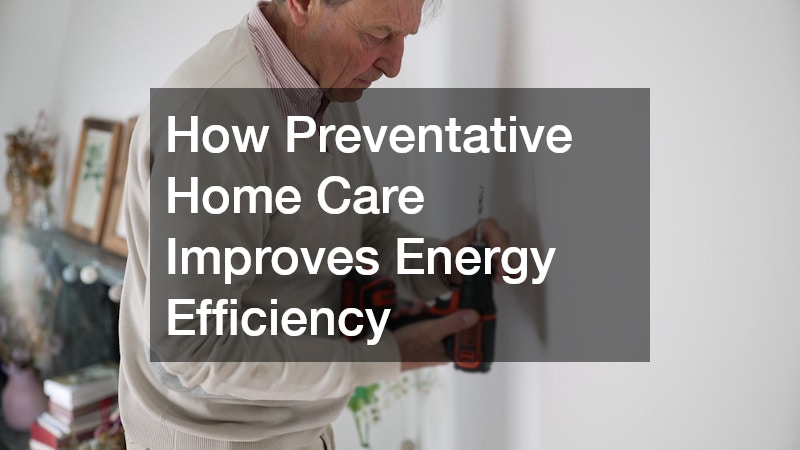
Most homeowners think about energy efficiency when utility bills spike during the hottest or coldest months of the year. They may upgrade a thermostat, replace old light bulbs, or use ceiling fans more often. While those changes can help, the biggest improvements usually come from something less obvious: preventative home care.
Preventative care changes that cycle. Instead of reacting after systems fail, homeowners maintain the property consistently so equipment performs efficiently year-round. The result is lower energy usage, fewer emergency repairs, better indoor comfort, and longer-lasting home systems.
The good news is that improving efficiency does not always require major renovations. Consistent upkeep, strategic inspections, and timely repairs can dramatically reduce waste while making the home safer and more comfortable to live in.
Identifying Hidden Sources of Energy Waste
Paying Attention to Aging Electrical Systems
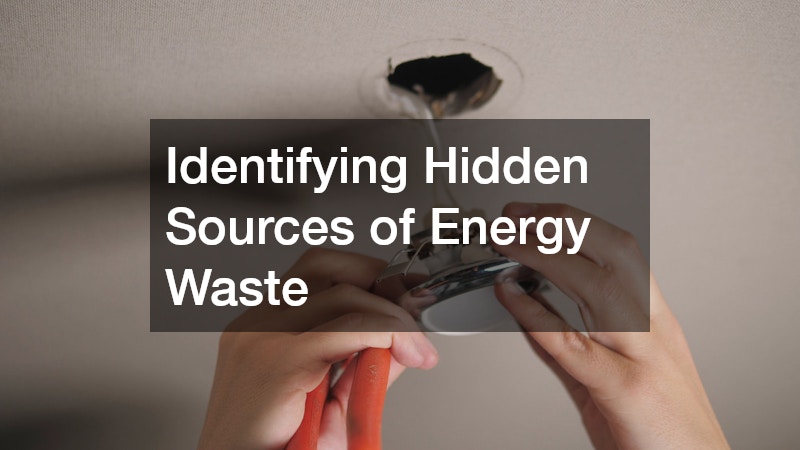
One of the easiest ways to lose energy without realizing it is through an outdated electrical system. Older homes, especially, may contain aging wiring, overloaded circuits, or electrical panels that were never designed to support modern appliances and technology.
When electrical systems struggle to distribute power efficiently, homeowners may notice subtle warning signs:
- Lights flicker when appliances start
- Warm outlets or switches
- Frequently tripped breakers
- Unusually high electricity bills
- Extension cords are being used permanently throughout the house
These issues are more than inconveniences. They often indicate the home is using electricity inefficiently and placing unnecessary strain on connected systems.
An experienced electrician can inspect wiring, identify overloaded circuits, and recommend improvements that help the home operate more efficiently. In many cases, updating outdated components also improves safety and reduces the risk of future electrical failures.
The growing use of electric vehicles has added another layer to residential energy usage. Many homeowners install charging equipment without considering how it affects overall efficiency. Charging a vehicle using improper equipment or outdated electrical infrastructure can increase energy waste and raise operating costs over time.
Working with a home EV charger installer helps ensure charging systems are matched correctly to the home’s electrical capacity. Proper installation allows charging equipment to operate efficiently while reducing unnecessary strain on the system. Some newer charging setups can even schedule charging during off-peak energy hours, which helps homeowners manage electricity costs more effectively.
In homes where energy bills suddenly rise without explanation, electrical inefficiencies are often part of the problem. Because these issues develop gradually, they are easy to overlook until costs become substantial.
Maintaining Heating Systems Before Problems Escalate
Preparing for Winter Before Temperatures Drop
Heating systems tend to receive attention only after something goes wrong. A furnace stops working on a freezing night, rooms become unevenly heated, or utility bills suddenly spike. By that point, the system has often been operating inefficiently for months.
Preventive maintenance helps avoid that situation entirely.
One of the most overlooked maintenance tasks is replacing air filters consistently. Dirty filters restrict airflow, forcing heating systems to work harder to circulate warm air throughout the home. That extra strain increases energy consumption while also shortening equipment lifespan.
Homeowners can usually improve efficiency immediately by:
- Replacing filters every one to three months
- Vacuuming dust from vents and registers
- Keeping furniture away from airflow pathways
- Checking for blocked return vents
- Sealing leaks around ductwork
These simple steps reduce stress on the system and improve indoor comfort almost immediately.
There are also less obvious signs that a heating system is losing efficiency. Some homeowners notice certain rooms staying colder than others. Others hear unusual rattling or banging sounds when the system starts. Sometimes the only clue is steadily increasing heating costs.
Delaying furnace repair often allows small mechanical issues to grow into major problems. A worn blower motor, dirty burner, or malfunctioning thermostat can quietly force the system to consume more energy every day.
Routine inspections from an HVAC company can identify these issues before they become expensive emergencies. Professional tune-ups help maintain proper airflow, calibrate system controls, and ensure heating equipment operates efficiently during peak winter demand.
Homes with neglected heating systems often experience more than higher utility bills. They may also suffer from inconsistent indoor temperatures, excessive dryness, and poor indoor air quality. Preventive care improves all of these conditions simultaneously.
Keeping Cooling Costs Under Control During Summer
Reducing the Strain on Air Conditioning Systems
Summer cooling costs can quickly become overwhelming, especially in homes with poor insulation or neglected equipment. Many homeowners assume rising cooling bills are unavoidable during hot weather, but preventative maintenance often makes a significant difference.
The first issue to address is air leakage. Even small gaps around windows, doors, attic openings, or ductwork allow cooled air to escape constantly. The cooling system then runs longer cycles to compensate, consuming more electricity while struggling to maintain comfort.
Weatherstripping and caulking may seem minor compared to larger home projects, yet they often produce noticeable energy savings. In older homes, sealing air leaks can dramatically reduce cooling demand during peak summer months.
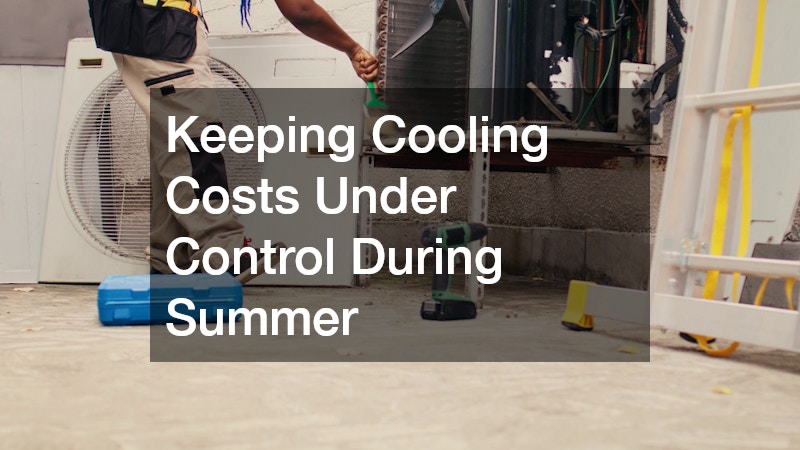
Outdoor cooling equipment also requires regular attention. Condenser units surrounded by leaves, weeds, or debris cannot release heat effectively. Restricted airflow forces the system to work harder, increasing wear and energy usage simultaneously.
Homeowners should periodically:
- Clear vegetation around outdoor units
- Gently rinse dirt from condenser coils
- Inspect insulation on refrigerant lines
- Check vents for airflow obstructions
- Monitor for unusual noises or odors
These small maintenance habits help systems operate more efficiently during extreme heat.
Unfortunately, many cooling problems develop gradually enough that homeowners adjust to declining performance without realizing it. The house takes longer to cool. Humidity levels rise slightly indoors. Energy bills creep upward month after month.
Eventually, those hidden issues lead to major AC repairs that could have been avoided with earlier intervention.
A neglected cooling system not only wastes energy but also struggles to maintain healthy indoor humidity levels. Excess humidity makes indoor temperatures feel warmer than they actually are, causing homeowners to lower thermostats further and increase cooling costs even more.
Preventative maintenance interrupts that cycle before it becomes expensive.
Preventing Moisture Problems That Increase Energy Loss
Understanding the Connection Between Water and Efficiency
Moisture damage affects far more than a home’s appearance. Water intrusion can quietly destroy insulation, reduce indoor air quality, and force heating and cooling systems to work much harder than necessary.
One of the most common hidden problems is plumbing leakage. Even a slow drip inside walls or beneath flooring can damage surrounding materials over time. Wet insulation loses much of its ability to regulate indoor temperatures effectively, which increases heating and cooling demand throughout the home.
A plumber can identify leaks that homeowners may never notice on their own. Pipe corrosion, hidden slab leaks, and improperly sealed fixtures often waste both water and energy simultaneously.
For example, warm water leaking behind walls forces water heaters to run more frequently. Meanwhile, moisture damage around the leak compromises insulation and creates additional strain on HVAC systems. What begins as a relatively small plumbing issue can quietly increase monthly utility expenses for years.
Roof drainage also plays a major role in home efficiency.
When gutters overflow or drainage systems fail, water often enters attic spaces and wall cavities. Once insulation becomes damp, it no longer regulates temperatures effectively. Mold growth may also develop, creating additional indoor air quality concerns.
Proper gutter installation helps direct water safely away from the home and protects insulation from moisture exposure. Homes with effective drainage systems generally maintain more stable indoor temperatures and experience fewer efficiency problems over time.
In regions with heavy seasonal storms, preventative moisture control becomes especially important. Homeowners sometimes focus heavily on HVAC upgrades while ignoring roof drainage entirely, even though water intrusion can undermine every other efficiency improvement inside the house.
Strengthening Exterior Protection Against Energy Loss
Improving Ventilation and Insulation Performance
A home’s exterior shell plays a massive role in overall efficiency. Roofing materials, attic ventilation, insulation levels, and exterior sealing all influence how much energy the property consumes daily.
Poor attic ventilation is one of the most common yet overlooked causes of energy waste. During summer, trapped attic heat can raise temperatures dramatically above living spaces below. As heat builds up, cooling systems must run longer and harder to maintain indoor comfort.
In winter, inadequate ventilation contributes to moisture buildup, insulation damage, and uneven indoor temperatures.
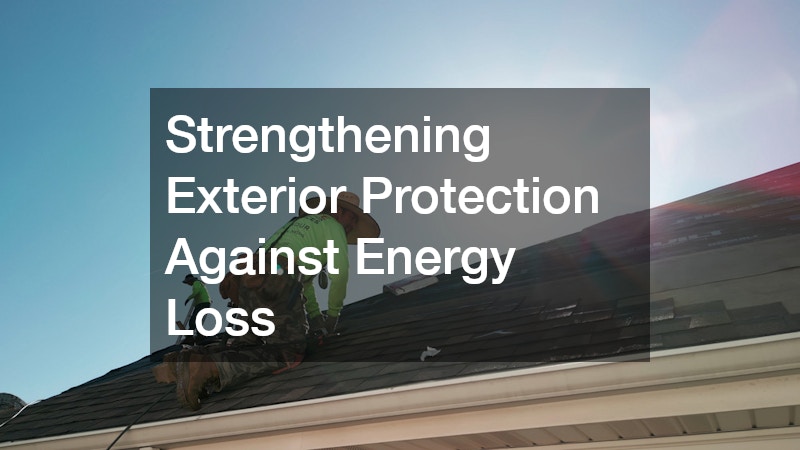
A qualified roofing contractor can inspect ventilation pathways, roofing materials, flashing, and insulation conditions to identify efficiency issues before they worsen. Small roofing problems frequently allow air leakage or moisture intrusion that gradually reduces the home’s thermal performance.
Some homeowners are surprised to discover that roof color and material selection also affect energy efficiency. Reflective roofing materials help reduce heat absorption during hot weather, lowering attic temperatures and decreasing cooling demand.
Exterior maintenance should also include regular inspections of siding, soffits, fascia boards, and attic access points. Even relatively small openings allow conditioned air to escape continuously throughout the year.
One homeowner may spend thousands upgrading HVAC equipment while overlooking damaged attic insulation caused by a small roof leak. Another may install high-efficiency windows but ignore deteriorating ventilation in the attic. Preventative home care works best when homeowners view the property as a connected system rather than a collection of isolated components.
Preparing for Outages Without Wasting Energy
Choosing Backup Power Solutions Wisely
Power outages are becoming more common in many areas due to severe weather, aging infrastructure, and increasing energy demand. While backup power systems improve safety and comfort, poorly planned systems can also increase fuel consumption and energy waste.
Older standby generators often consumed large amounts of fuel even when supporting relatively small household loads. Modern systems, however, are designed to operate much more efficiently.
Professional generator installation helps homeowners select appropriately sized systems based on actual household energy needs. Oversized generators frequently waste fuel and cost more to operate than necessary. Proper sizing ensures the system delivers reliable backup power without excessive consumption.
Efficient backup systems also protect sensitive home equipment. Sudden outages and voltage fluctuations can damage HVAC components, appliances, and electronics. Preventing those failures helps homeowners avoid premature equipment replacement and unnecessary repair costs.
Some modern systems now integrate with smart home technology to prioritize essential circuits during outages. Instead of powering the entire home continuously, these systems selectively manage energy usage to improve efficiency and extend runtime.
For homeowners in storm-prone regions, backup power has become less of a luxury and more of a preventative investment. Maintaining refrigeration, climate control, and sump pump operation during outages helps prevent secondary property damage that can ultimately reduce energy efficiency later.
Integrating Renewable Energy Into Long-Term Maintenance
Thinking Beyond Immediate Utility Savings
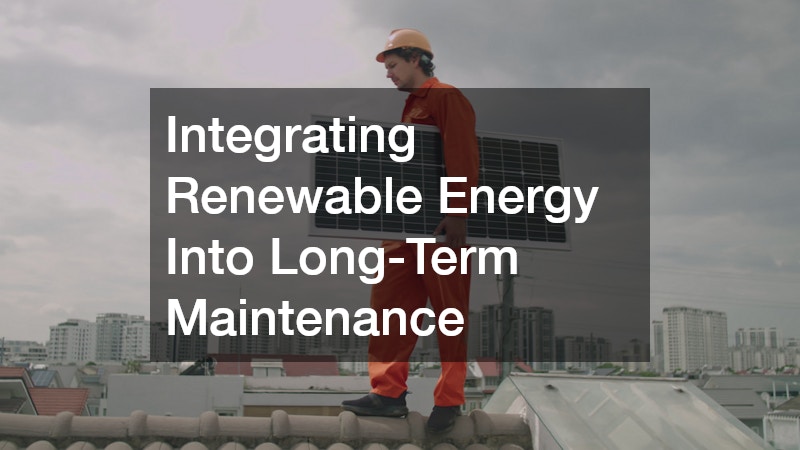
Renewable energy systems are often discussed primarily in terms of reducing electricity bills, but they also support broader preventative maintenance goals.
Solar energy systems reduce dependence on traditional utility power while helping homeowners stabilize long-term operating costs. However, efficiency depends heavily on ongoing maintenance and proper system performance.
Many homeowners underestimate how environmental conditions affect solar production. Dirt accumulation, tree shading, storm debris, and damaged panels can significantly reduce energy generation over time.
Experienced solar companies typically recommend regular inspections to ensure systems continue operating efficiently throughout the year. In some cases, homeowners may not realize production has declined until utility bills begin increasing unexpectedly.
Solar maintenance often includes:
- Cleaning panel surfaces
- Monitoring inverter performance
- Inspecting mounting hardware
- Trimming nearby vegetation
- Reviewing energy production data
Preventive attention ensures renewable systems continue delivering the expected efficiency benefits.
Homes that combine renewable energy with strong preventative maintenance practices often experience the best long-term results. Efficient insulation, modern HVAC systems, proper ventilation, and renewable energy generation all reinforce one another.
Rather than viewing solar as a standalone upgrade, homeowners benefit most when they integrate it into a broader home efficiency strategy.
Creating Sustainable Maintenance Habits Throughout the Year
Building a Realistic Long-Term Routine
Preventative home care is most effective when it becomes part of a consistent routine rather than an occasional reaction to problems.
Many homeowners become overwhelmed because they think maintenance requires large projects or expensive upgrades. In reality, consistency matters more than perfection. Small inspections and routine upkeep often prevent the largest efficiency problems from developing in the first place.
A seasonal maintenance schedule helps homeowners stay proactive without feeling overwhelmed. Spring may focus on cooling system preparation and roof inspections. Summer may involve drainage maintenance and outdoor equipment cleaning. Fall often becomes the ideal time for heating inspections and weatherproofing. Winter may center around monitoring humidity and indoor airflow.
The key is developing habits before emergencies occur.
It also helps homeowners pay attention to subtle changes inside the home. Rising utility bills, uneven temperatures, persistent humidity, unusual odors, or increased dust buildup often signal developing efficiency issues.
Ignoring those warning signs usually allows energy waste to continue quietly in the background.
Preventative home care also protects more than monthly budgets. Efficient homes are generally more comfortable, quieter, healthier, and easier to maintain over time. Families experience fewer emergency disruptions, less equipment failure, and more consistent indoor living conditions throughout the year.
Perhaps most importantly, preventative maintenance shifts the homeowner’s mindset from reactive to intentional. Instead of waiting for systems to fail, homeowners gradually create a property that operates efficiently, safely, and reliably in every season.
That long-term approach ultimately delivers the greatest energy savings of all.
Making Efficiency Part of Everyday Homeownership
Energy efficiency is not achieved through a single upgrade or quick fix. It develops through consistent attention to the systems that keep a home functioning properly every day.
Small maintenance decisions accumulate over time. Replacing filters regularly, sealing air leaks early, managing moisture effectively, inspecting roofing and drainage systems, and maintaining mechanical equipment all contribute to lower energy use and improved comfort.
Preventive home care also reduces the likelihood of expensive emergencies that disrupt daily life and increase operating costs. Homes that receive regular attention tend to perform better, last longer, and maintain more stable indoor environments throughout changing seasons.
For homeowners looking to reduce utility expenses while protecting their property investment, preventative maintenance remains one of the most practical and effective strategies available.
