A well-functioning home does not happen by chance. It comes from consistent attention, smart planning, and understanding how each system in a home connects to the next. When everything works together, daily life feels easier, safer, and far less stressful.
Many homeowners focus on quick fixes when something breaks. That approach often leads to repeated issues and higher costs over time. A more effective path is to think long-term and prioritize stability across structural, mechanical, and interior systems. This approach helps you avoid disruption and maintain a more dependable living environment.
The following sections outline practical strategies to support long-term home reliability. Each area focuses on real systems inside your home and how to keep them operating smoothly over the years.
Building a Strong Foundation for Lasting Home Performance

A home performs well over time only when its foundation and core systems are carefully planned from the beginning. Many long-term issues trace back to early construction decisions that seemed minor at the time but created hidden weaknesses in structure or utility access.
The process begins before any physical work starts. Homeowners benefit from working closely with home construction contractors who can evaluate soil conditions, layout constraints, and load-bearing requirements. This early planning stage determines how stable and adaptable the home will be in the future. A strong contractor does not just build walls; they map how every system will interact once the home is occupied.
Once planning is complete, excavation and framing begin. During this stage, precision matters. If framing is misaligned or utility pathways are poorly designed, later systems must work harder than intended. This is where plumbing companies become essential. They coordinate pipe routing, water pressure balance, and drainage slope before walls are closed. Once drywall goes up, access becomes limited, so accuracy at this stage prevents costly reconstruction later.
A reliable installation process typically follows a clear sequence. First, underground utilities are placed and tested for leaks. Next, framing is inspected for alignment and load stability. Then plumbing rough-ins are installed and pressure-tested. Only after these steps are verified does insulation and wall finishing begin. Each stage builds on the previous one, and skipping checks creates long-term risk.
When this foundation is properly executed, the home becomes easier to maintain. Systems remain accessible, and future upgrades require less invasive work.
Protecting Interior Surfaces and Finishes Over Time
Interior durability depends on more than appearance. Surfaces inside the home act as protective layers, shielding structural materials from moisture, heat, and daily wear. Without proper care, even high-quality finishes degrade faster than expected.
Maintenance often starts with surface protection. Painting companies play a major role here by applying coatings that resist humidity, staining, and surface cracking. The process begins with surface preparation, where walls are cleaned, sanded, and repaired. This step is critical because paint adheres properly only when the surface beneath is stable. After preparation, primer is applied to create a bonding layer. Finally, paint is applied in even coats to ensure durability and uniform protection.
Interior reliability also depends on how spaces are designed. Kitchen designers focus on creating layouts that reduce unnecessary movement and prevent wear in high-use zones. A well-planned kitchen avoids overcrowding and ensures that moisture-prone areas, such as sinks and cooking stations, are properly separated from sensitive materials.
Storage design is another factor that affects long-term performance. This is where custom cabinetry becomes important. High-quality cabinetry is installed after precise measurements are taken. Each cabinet must be level, securely anchored, and spaced for ventilation. Poor installation can lead to misalignment of the door or structural shifting over time.
To maintain interior systems, homeowners often follow a cycle of inspection and light upkeep. Surfaces are checked for cracks or peeling, cabinetry hardware is tightened, and moisture levels are monitored in high-use rooms. When this cycle is followed consistently, interior systems remain stable for years without major intervention.
Planning Functional and Efficient Kitchen Upgrades
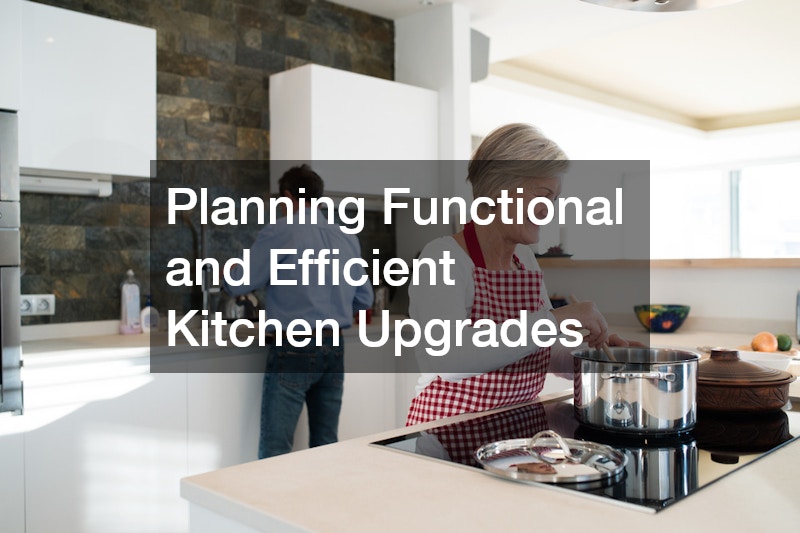
A kitchen is one of the most mechanically active spaces in a home, and its reliability depends heavily on design choices made during renovation or construction. Poor planning leads to constant strain on surfaces, storage, and appliances.
The process begins with layout planning. Kitchen designers evaluate how people move through the space during cooking, cleaning, and storage tasks. This includes mapping out work zones such as preparation areas, cooking zones, and cleaning stations. Each zone is positioned to reduce unnecessary steps and prevent congestion.
Once layout planning is complete, material selection follows. Surfaces must withstand heat, moisture, and repeated use. At this stage, custom cabinetry is selected based on both durability and fit. Cabinets are precisely measured to match wall dimensions, ensuring no wasted space or structural imbalance. Installation is done carefully to avoid gaps that can trap moisture or debris.
The installation process itself follows a structured approach. First, old materials are removed, and the space is inspected for hidden damage. Next, plumbing and electrical systems are checked to ensure they are compatible with the new layout. After that, cabinets are installed and leveled before countertops are added. Finally, appliances are fitted and tested for alignment and performance.
When each step is followed correctly, the kitchen becomes easier to maintain. Daily wear is reduced, cleaning becomes simpler, and system failures occur less frequently.
Keeping Indoor Climate Systems Running Smoothly
Indoor comfort relies heavily on consistent airflow, temperature control, and system efficiency. When heating and cooling systems are neglected, they lose efficiency and begin to strain other parts of the home.
Maintenance typically starts with inspection. HVAC companies evaluate system components, including filters, coils, ductwork, and thermostats. They check for airflow restrictions and signs of wear that may affect performance. This step helps identify issues before they develop into full system failures.
Once inspection is complete, cleaning and adjustment follow. Dust and debris are removed from internal components to restore airflow. Thermostats are calibrated, and refrigerant levels are checked for balance. These steps help the system operate with less strain and improved efficiency.
When cooling issues arise, AC repair is necessary. The process often begins with identifying whether the issue is electrical, mechanical, or airflow-related. Technicians test capacitors, compressors, and fans to locate the source of the problem. Once identified, faulty parts are replaced or repaired, and the system is retested under load to confirm stability.
Long-term reliability improves when homeowners follow consistent upkeep cycles. Filters are replaced regularly, outdoor units are kept clear of debris, and unusual system behavior is addressed early rather than ignored.
Preventing Hidden Drain and Sewer Problems
Drain systems often operate unnoticed until problems become visible, which is why preventive care is essential. Small blockages or pipe damage can escalate quickly if not addressed early.
Maintenance begins with observation. Plumbing companies look for early indicators such as slow drainage, recurring clogs, or gurgling sounds in pipes. These symptoms often signal deeper issues within the system that require inspection.
Once a problem is identified, technicians inspect pipe conditions using specialized tools. They may use camera inspections to locate blockages or structural damage. This step helps determine whether cleaning, repair, or replacement is needed.
When pipes are damaged but still structurally sound, trenchless drain lining offers a less disruptive solution. The process involves inserting a flexible liner into the existing pipe. This liner is then expanded and cured to form a new internal surface. It restores flow capacity without the need for extensive digging or landscape disruption.
Preventive maintenance continues after repairs are completed. Drain usage habits are adjusted, and systems are monitored for recurring issues. When managed correctly, drainage systems remain reliable and efficient for many years.
Managing Waste and Septic System Longevity
Septic systems require consistent attention because they rely on natural processes that can be easily disrupted by improper use or neglect. Without maintenance, buildup inside the tank can lead to system failure and environmental issues.
The maintenance process begins with inspection. Septic services evaluate tank levels, check for leaks, and assess drain field performance. This helps determine whether the system is operating within safe capacity limits.
If buildup is detected, pumping is scheduled to remove excess waste and restore balance. This step prevents solids from entering the drain field, which could cause long-term damage.
System care continues through daily habits. Water usage is distributed evenly to avoid overloading the system. Waste materials are carefully managed to avoid introducing substances that disrupt bacterial activity inside the tank.
In homes where septic systems interact with broader mechanical systems, issues like humidity imbalance can indirectly affect comfort systems, sometimes requiring ac repair to restore indoor environmental stability.
When septic systems are maintained properly, they support long-term home stability and reduce the risk of emergency failures.
Strengthening Energy Efficiency and System Coordination
One of the most effective ways to improve long-term home reliability is by focusing on how systems work together rather than treating them as separate parts. Energy efficiency is not just about lowering utility bills. It reflects how well heating, cooling, plumbing, and structural components support each other under daily use.
A practical starting point is understanding how airflow, insulation, and water systems interact. When one system is inefficient, it often forces another system to compensate. For example, an overworked cooling system may struggle if ductwork is leaking or if insulation is weak. This is where HVAC companies play an important role. They evaluate how air moves through the home, identify pressure imbalances, and adjust system settings to keep heating and cooling stable without unnecessary strain.
The improvement process usually follows a clear progression. First, the home is assessed for energy loss points such as poorly sealed vents, aging equipment, or uneven temperature zones. Next, adjustments are made to restore balance. This may include recalibrating thermostats, sealing duct leaks, or upgrading system components that are no longer efficient. Once these corrections are made, the system is tested under normal household conditions to confirm improved performance.
Water systems also affect overall efficiency more than many homeowners realize. Small plumbing inefficiencies, such as slow leaks or inconsistent pressure, can increase strain on water heaters and connected appliances. Plumbing companies help correct these issues by identifying pressure irregularities, repairing worn connections, and ensuring consistent flow throughout the home. When plumbing systems operate smoothly, other mechanical systems experience less stress and last longer.
Interior design choices also contribute to efficiency. Layout decisions made with kitchen designers can reduce unnecessary appliance use and improve movement flow, which indirectly lowers energy consumption. A well-organized kitchen reduces the time appliances are running and minimizes repeated heating or cooling cycles in the same space.
In addition, custom cabinetry supports efficiency by improving storage organization and reducing clutter. When storage is properly designed, appliances and surfaces remain more accessible, reducing unnecessary energy use tied to inefficient movement or repeated tasks.
Even exterior systems contribute to efficiency. Painting companies help maintain reflective and protective coatings on exterior surfaces, which can reduce heat absorption and stabilize indoor temperatures. This reduces strain on cooling systems during warmer months.
When all of these systems are aligned, the home becomes easier to manage. Energy use stabilizes, equipment runs less aggressively, and maintenance needs decrease over time. The result is a more balanced home where each system supports the next instead of working against it.
The Importance of Comprehensive Home Maintenance for Lasting Reliability
Long-term home reliability is built through consistent attention to every system, not just occasional repairs. When structural, mechanical, and interior systems are properly maintained, the home becomes more stable, efficient, and predictable over time.
Each system depends on the others. A strong foundation supports plumbing and drainage. Well-designed interiors reduce wear on surfaces. Climate systems maintain comfort and protect materials from environmental stress. When all of these elements are cared for together, the home operates as a balanced and dependable structure.
Sustained reliability does not come from large one-time fixes. It comes from steady awareness, timely action, and thoughtful planning across every part of the home.
In addition to regular maintenance, proactive improvements can also enhance a home’s long-term reliability. Upgrading insulation, installing energy-efficient windows, or modernizing HVAC systems can lead to significant benefits over time. These enhancements not only improve comfort and reduce energy costs but also contribute to the overall lifespan of the home. By investing in thoughtful upgrades along with routine care, homeowners can ensure their property remains a safe and welcoming environment, ultimately protecting their investment and providing peace of mind for years to come.
