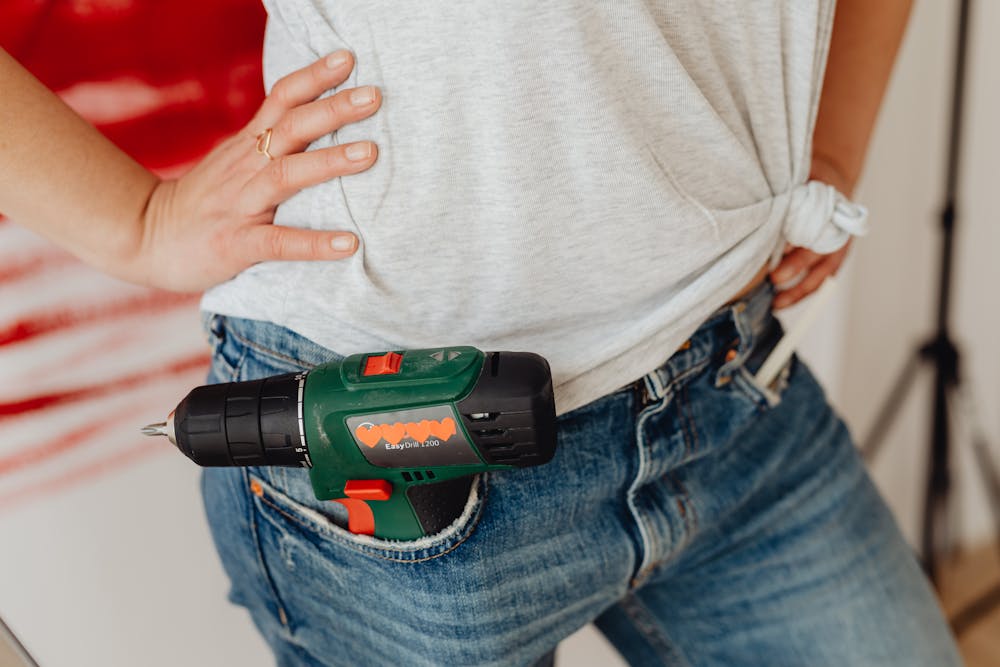
- Proper preparation is essential—clean, measure, and organize tools before starting any repair.
- Using the right tools and materials ensures better results and prevents future damage.
- Safety should always come first, even for simple DIY home repairs.
- Avoid taking on projects beyond your skill level to prevent costly mistakes.
- Following a clear plan helps keep your repair project efficient and stress-free.
- Know when to call a professional for complex or high-risk repairs.
DIY home repair can be empowering, cost-effective, and even enjoyable when done correctly. Many homeowners take pride in fixing minor issues themselves, saving money while learning valuable skills. However, without proper planning and knowledge, small repairs can quickly turn into costly problems. Understanding common mistakes is key to ensuring your efforts lead to lasting results.
This guide explores the most frequent DIY home repair mistakes and offers practical tips to help you avoid them. Whether you’re tackling simple fixes or exploring new DIY home project ideas, knowing what not to do is just as important as knowing what to do.
Why Do DIY Home Repairs Go Wrong?
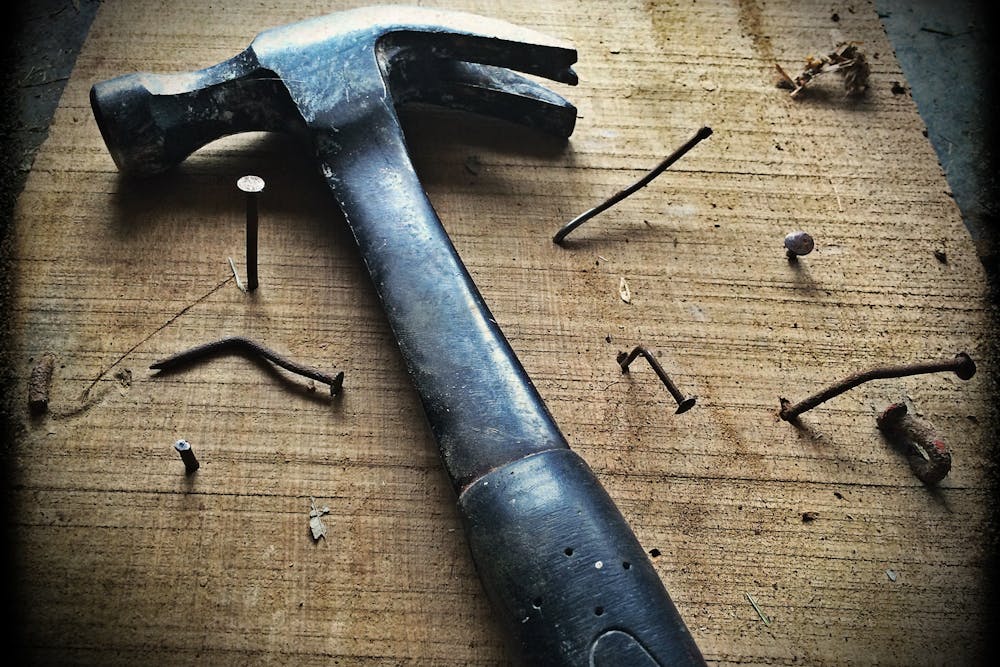
DIY home repair projects often start with good intentions but can fail due to a lack of preparation or unrealistic expectations. Many homeowners underestimate the complexity of certain tasks, assuming that online tutorials are enough to guide them through. While these resources are helpful, they may not cover the nuances of your specific situation.
Another common reason is rushing through the process. Skipping essential steps such as proper measurements, surface preparation, or using the right tools can lead to unsatisfactory results. Additionally, not recognizing personal skill limitations can turn a minor repair into a major issue. Being aware of these risks allows you to approach projects more carefully and confidently.
DIY Home Repair Mistakes to Avoid
Taking on home repairs yourself can be rewarding, but it also comes with risks if you’re not careful. Many mistakes stem from overconfidence or a lack of proper guidance, which can compromise both safety and quality. Understanding these common pitfalls will help you avoid unnecessary expenses and frustration.
By learning from these mistakes, you can improve your efficiency and ensure better results. Below are some of the most frequent DIY home repair errors and how to prevent them.
Skipping Proper Preparation
Preparation is the foundation of any successful repair project. Many DIYers jump straight into the task without cleaning, measuring, or gathering the necessary tools. This often leads to uneven finishes, poor adhesion, or incomplete repairs.
To avoid this, always take time to assess the area and prepare it properly. Clean surfaces, measure accurately, and organize your tools before starting. A little preparation goes a long way in achieving professional-looking results.
Using the Wrong Tools or Materials
Using incorrect tools or low-quality materials can significantly impact the outcome of your repair. For instance, using the wrong type of paint or sealant may result in peeling or damage over time. Similarly, improper tools can make the job harder and less precise.
Invest in basic, high-quality tools and ensure you’re using materials suited for the task. Research product recommendations and read labels carefully. This simple step can save you time, money, and effort in the long run.
Ignoring Safety Precautions
Safety is often overlooked in DIY projects, especially for seemingly simple repairs. However, even minor tasks can pose risks if proper precautions aren’t taken. Electrical work, ladder use, and handling sharp tools require attention and care.
Always wear protective gear such as gloves and safety glasses when necessary. Turn off power sources before working on electrical components, and ensure your workspace is stable and well-lit. Prioritizing safety prevents accidents and injuries.
Taking on Projects Beyond Your Skill Level
It’s tempting to tackle complex repairs to save money, but not all projects are suitable for DIY. Plumbing, electrical systems, and structural repairs often require professional expertise. Attempting these without proper knowledge can lead to costly damage.
Know your limits and be honest about your skill level. If a project feels too complicated, it’s best to consult or hire a professional. This decision can ultimately save you more money and stress.
How Can You Ensure Successful DIY Repairs?
Achieving success in DIY home repair requires a balance of preparation, patience, and continuous learning. Instead of rushing into projects, take the time to understand each step and gather reliable information. This approach not only improves results but also builds your confidence over time.
Consistency is also important. The more you practice basic repairs, the better your skills will become. By adopting smart strategies and staying organized, you can turn DIY projects into a rewarding and efficient experience.
Follow a Clear Plan
Before starting any repair, create a step-by-step plan. Outline the materials needed, the process involved, and the estimated time required. Having a clear roadmap reduces confusion and helps you stay on track.
Learn from Reliable Sources
While online tutorials are helpful, make sure you’re learning from credible sources. Look for expert advice, detailed guides, and verified instructions. This ensures you’re applying the correct techniques.
Start Small and Build Skills
Begin with simple tasks such as fixing leaks or patching walls. As you gain confidence, gradually move on to more complex repairs. This progression helps you develop skills without overwhelming yourself.
When Should You Call a Professional?
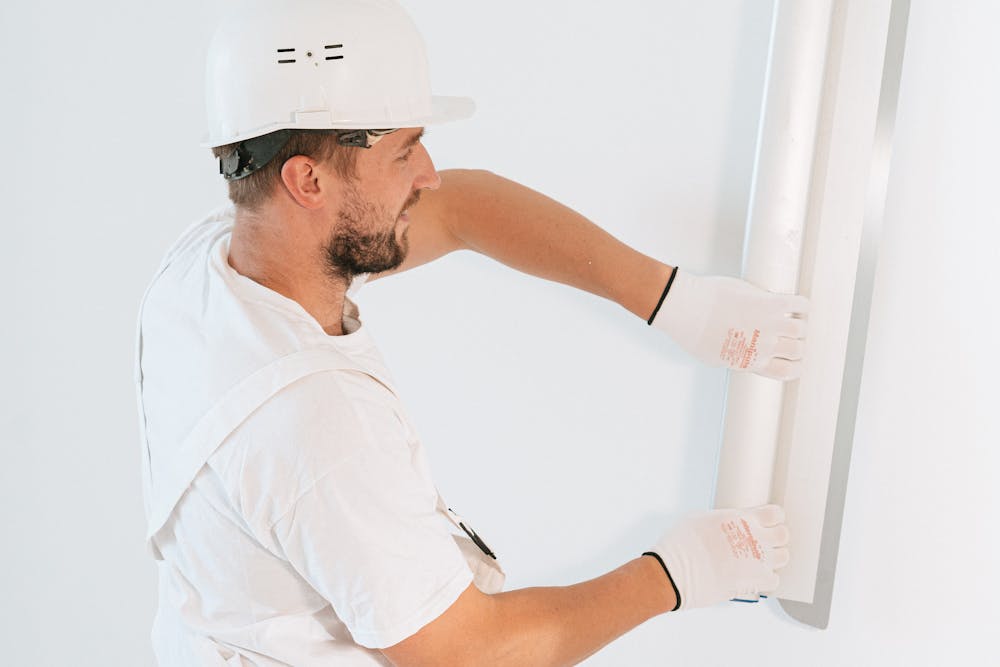
While DIY home repair can be cost-effective, it’s important to recognize when professional help is necessary. Some repairs involve technical expertise, specialized tools, or safety risks that go beyond basic knowledge. Attempting these projects on your own can lead to bigger issues and higher expenses.
Understanding your limitations is not a weakness but a smart approach to home maintenance. Calling a professional ensures the job is done correctly and safely, especially for critical repairs.
Signs You Need Expert Help
- Persistent plumbing or electrical issues
- Structural damage or foundation concerns
- Repairs requiring permits or inspections
- Lack of proper tools or experience
Balancing DIY and Professional Work
The key is to find a balance between what you can handle and what requires expert intervention. Use DIY for minor fixes and maintenance, but don’t hesitate to seek help for complex tasks. This approach ensures your home remains safe and well-maintained.
Conclusion
DIY home repair offers numerous benefits, from saving money to developing practical skills. However, avoiding common mistakes is essential to achieving successful outcomes. By preparing properly, using the right tools, prioritizing safety, and knowing your limits, you can handle repairs with confidence.
Whether you’re a beginner or an experienced DIYer, learning from these mistakes will help you improve your approach. With the right mindset and strategies, your DIY projects can become both effective and rewarding.
